How Trump's New 50% Tariffs Reshuffle the Global Aluminum Landscape
Since the introduction of the new tariffs, imports of primary aluminum into the U.S. have fallen by about 26%. At the same time, imports of aluminium scrap have increased by 30 to 40%.
The reason is simple: scrap metal is not covered by the levy, and American smelters pay higher prices than the rest of the world.
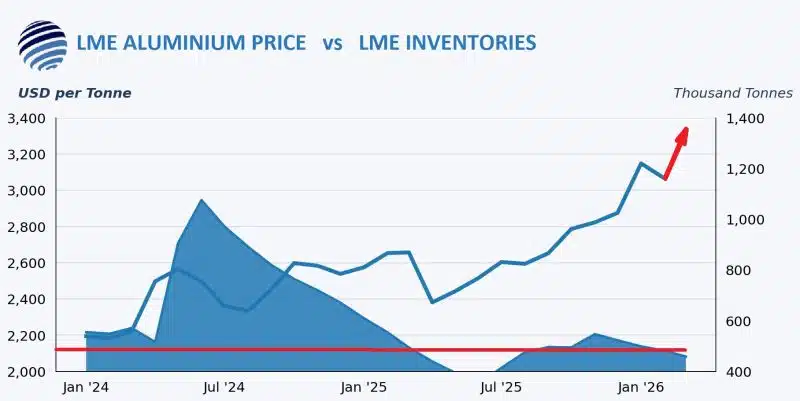
The result is a remarkable shift. While Midwest Premium prices rose by 164%, the U.S. smelting industry experienced a resurgence.
Companies such as Century and Alcoa restarted shut down capacity, and there is even talk of the first new aluminum smelter in the US in 45 years.
Europe – scrap loss, metal surplus
For Europe, the rate increase has the opposite effect.
Exports of European aluminium scrap to the United States increased by around 270% in 2025 – a fivefold increase compared to the previous year.
Recyclers are now warning of a shortage of secondary raw materials.
At the same time, the European market is flooded with primary aluminium that can no longer be exported to the US.
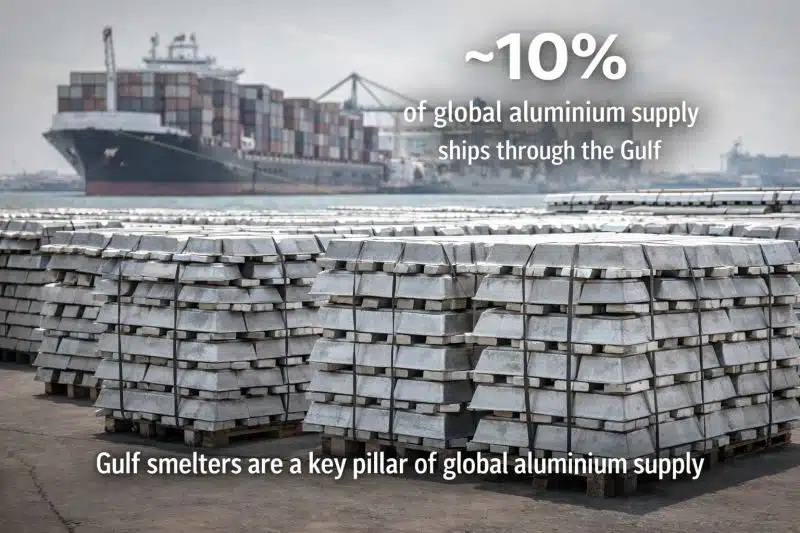
Major producers from Canada, Australia and the Middle East have diverted their deliveries to European ports, including Rotterdam.
Canada – looking for new markets
Canada, for years the main supplier of aluminum to the United States, has lost a large part of its traditional sales.
Hundreds of thousands of tonnes of Canadian aluminium are now finding their way to the Netherlands, Italy and Asia, markedly shifting the trade balance within Europe.
Middle East, South America and Asia – redistribution of flows
The effects are also significant outside North America.
Producers in the United Arab Emirates, Bahrain and Brazil are shifting their exports to Asia and Europe.
Some companies are going one step further: the Emirates Global Aluminium (EGA) announced billion-dollar investments in new smelting capacity in the US itself, to circumvent the tariff barrier.
China, on the other hand, is struggling with rising scrap prices, as U.S. buyers pay better than Chinese importers.
In India , the industry is expanding – Vedanta is increasing production at BALCO, and Hindalco is increasing output to take advantage of the changed market.
The 2025 U.S. tariff hike has not only changed the direction of global trade, but also upset the balance between primary and secondary aluminum .
The consequences – higher prices in the US, lower premiums in Europe, shifting trade routes and new investments – mark a new phase in the global aluminium industry.